Introduction
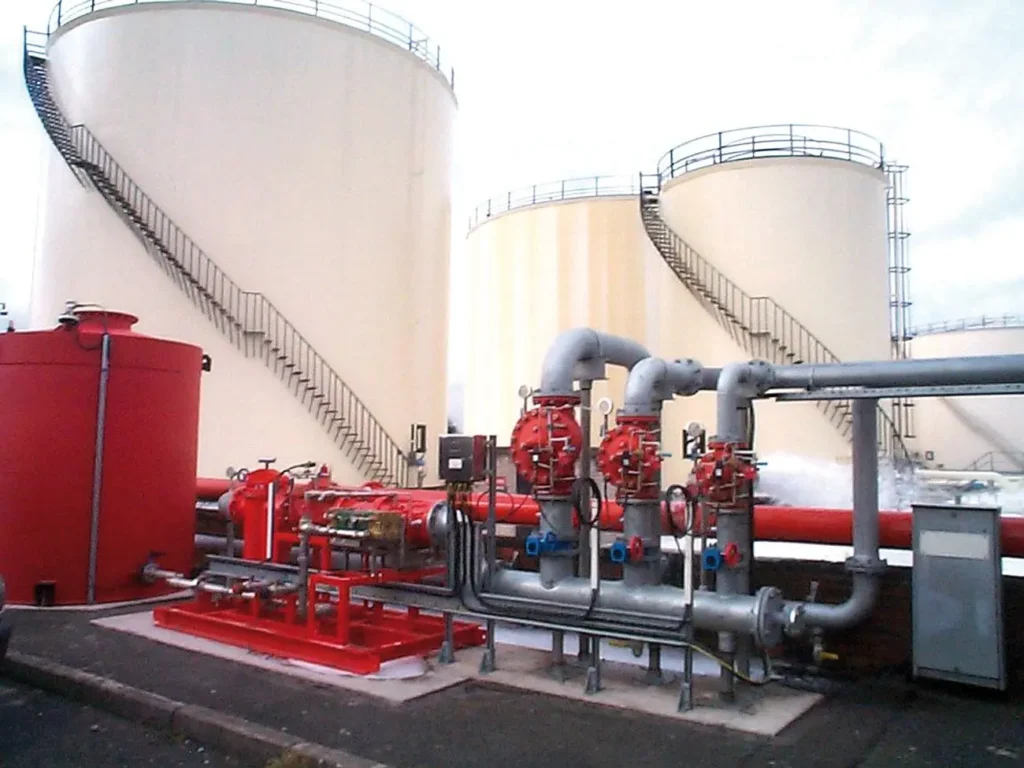
Water valves are essential components in water supply systems, municipal water networks, water treatment plants, and industrial water distribution projects. They help control water flow, isolate pipeline sections, regulate system operation, and support safe and reliable water distribution.
However, selecting the right water valve requires more than comparing prices. Different applications have different requirements for pressure ratings, materials, flow characteristics, installation space, and maintenance.
For water utilities, engineering contractors, distributors, and project procurement teams, understanding these factors can help improve system reliability and reduce long-term operating costs.
In this guide, we explain how to select suitable water valves for different water supply applications.
1. Identify the Application of the Water Valve
The first step is to understand the valve’s intended function within the pipeline system.
Common applications include:
Municipal water supply: Valves are used to isolate pipeline sections and support routine network maintenance.
Water treatment plants: Valves control water movement between treatment processes and distribution lines.
Industrial water systems: Valves support water circulation, equipment isolation, and process operations.
Building water supply: Valves help manage water distribution and isolate individual pipeline sections.
Irrigation systems: Valves control water delivery across agricultural and landscaping networks.
The operating environment determines which valve type, material, and design are most suitable.
2. Choose the Appropriate Water Valve Type
Different valve types serve different purposes. Understanding their operating characteristics is essential for proper selection.
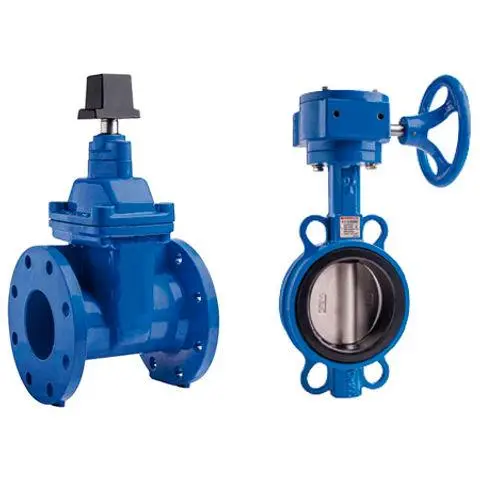
Gate valves
Gate valves are commonly used for on/off isolation in water pipelines. When fully open, they generally provide a relatively unobstructed flow path. They are suitable for applications where reliable pipeline isolation is required.
Butterfly valves
Butterfly valves use a rotating disc to control flow. Their compact structure and relatively low weight make them useful for large-diameter pipelines, water treatment facilities, and municipal distribution networks.
They can be used for isolation and, where the design permits, flow regulation. Their suitability depends on the operating conditions and valve specifications.
Check valves
Check valves help prevent reverse flow and protect pumps and other equipment from the effects of backflow. The appropriate design depends on flow conditions, installation orientation, and the potential for water hammer.
Control valves
Control valves are designed to regulate pressure, flow, or other operating conditions. Depending on the system, these may include pressure-reducing valves, pressure-sustaining valves, and other automatic control devices.
Selecting the correct valve function is the first step toward building an efficient water supply system.
3. Consider Pressure Rating and Operating Conditions
Pressure rating is a critical factor when selecting water valves.
Before purchasing, confirm the system’s normal operating pressure, maximum expected pressure, temperature, and potential pressure surges.
The selected valve must be suitable for the system’s actual operating conditions. Engineers should also consider transient events such as pump starts and stops, rapid valve closure, and other conditions that may cause pressure fluctuations.
When evaluating valve specifications, review the applicable pressure class or PN rating, the manufacturer’s pressure-temperature limitations, and the requirements of the project design.
Do not select a valve based on nominal pressure alone without checking its documented operating limits.
4. Select Suitable Valve Materials
Material selection affects corrosion resistance, service life, and maintenance requirements.
Common materials used in water valve manufacturing include:
Ductile iron: Frequently used for municipal water pipelines and water distribution infrastructure.
Cast iron: Used in certain water service applications, subject to applicable design and specification requirements.
Carbon steel: May be suitable for specific industrial water applications when the material and protective measures match the operating environment.
Stainless steel: Offers corrosion resistance in suitable environments but must be selected according to the water chemistry and operating conditions.
EPDM and other elastomers: Commonly used for valve seats and seals, with suitability depending on temperature, water chemistry, and the intended service.
Protective coatings, internal linings, and external corrosion protection should also be evaluated, especially for buried pipelines or aggressive environments.
For potable water projects, verify that all relevant wetted materials and coatings meet the applicable local drinking-water requirements.
5. Check Standards, Certifications, and Quality Control
For international water infrastructure projects, compliance documentation can be an important part of the purchasing process.
Depending on the application and destination market, buyers may need to review:
Applicable valve design and testing standards.
Pressure and leakage test documentation.
Material specifications and traceability.
Coating and corrosion protection requirements.
Drinking-water approvals, where required.
Quality management certifications and inspection records.
Standards such as EN 1074 may be relevant to valves used in water supply systems, depending on the valve type and project requirements. Other standards may apply to specific products and markets.
Buyers should confirm the exact scope of each certificate and ensure that it covers the intended product and application.
6. Evaluate the Manufacturer’s Production and Supply Capabilities
A suitable water valve supplier should provide more than a competitive quotation.
When evaluating manufacturers, consider their product range, engineering support, production capacity, quality inspection procedures, and ability to provide technical documentation.
For distributors and engineering contractors, additional factors may include customization options, OEM services, packaging requirements, spare parts availability, and lead times.
Clear communication before ordering can help reduce specification mismatches and improve project coordination.
Conclusion
Choosing the right water valves for water supply systems requires a clear understanding of the application, valve function, operating pressure, materials, and compliance requirements.
By evaluating these factors carefully, project engineers and procurement teams can select valves that meet system requirements and support reliable long-term operation.
As a water valve manufacturer, we understand the importance of product quality, application suitability, and dependable supply. Contact our team to discuss your water valve requirements, technical specifications, and project needs.
CTA: Looking for a reliable water valve manufacturer? Contact us to request product information and a quotation for your next water supply project.